Solax
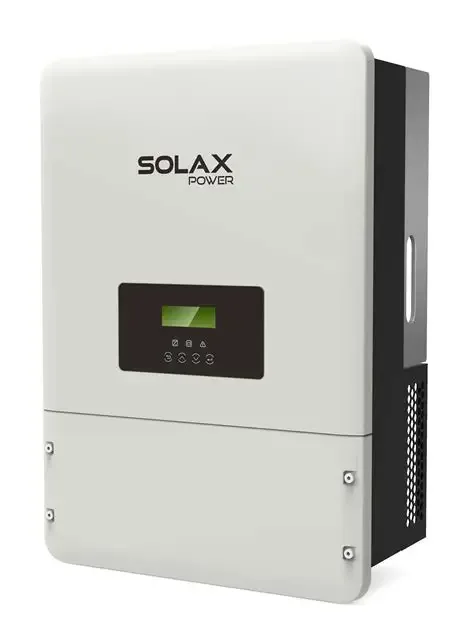
Solax Hybrid Inverter Range
Hybrid solar inverter range for home and commercial systems.
Price on Request
Confirm availability

Hybrid vs on-grid, how to size by load and surge, and the compatibility checks to make before you buy.
The inverter decides what your solar system can run, how it behaves during load-shedding and which batteries and panels it can work with. Choosing it well is the most important decision in a solar setup.
If you plan to export power under net metering, check the current rules and requirements with your distribution company (LESCO in Lahore) and NEPRA, because the policy and approved equipment lists have changed in recent years.
List the appliances you want to run at the same time and add their running watts. Our load calculator gives a starting estimate. Then:
Inverters are built for a specific battery voltage (commonly 24 V or 48 V systems). Lithium batteries must match that voltage and, for many hybrid inverters, communicate with the inverter through a supported protocol. Ask us to confirm the exact battery models approved for the inverter you are considering. See the lithium battery buying guide.
Each inverter has a maximum solar input power, a maximum input voltage and an MPPT voltage range. Your panel strings must stay inside those limits in both hot and cold conditions. Our panel selection guide explains how panel specifications affect this.
Browse our solar inverters, add the models you like to your quote cart and share your load — we will confirm compatibility, price and availability before you pay.
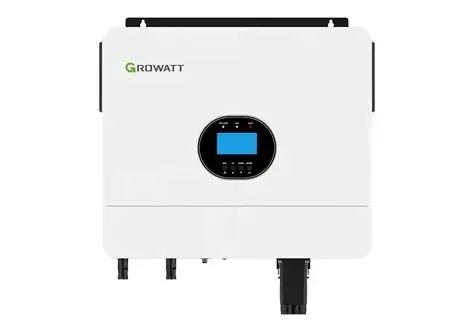
Hybrid solar inverter range for home and commercial systems.
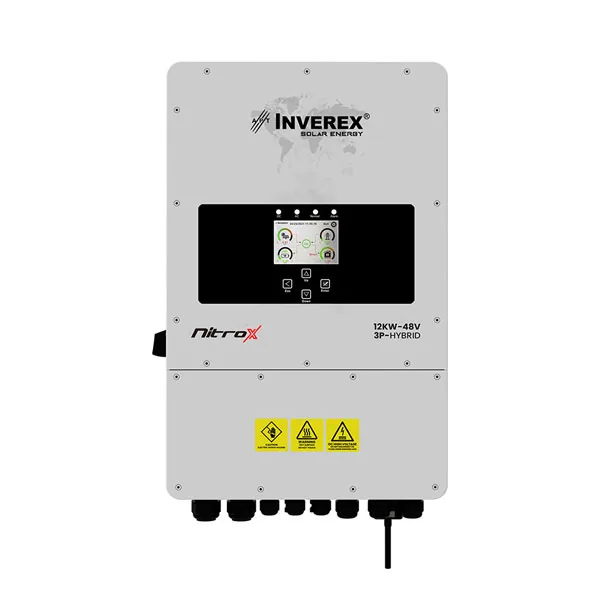
Reliable inverter options for backup power and solar generation.
Inverter series for solar and backup setups.
LiFePO4 basics, usable capacity, backup-time maths and inverter compatibility.
Read the guideWattage, roof area, panel technology and matching panels to your inverter.
Read the guideA step-by-step method with a worked example for panels, inverter and battery.
Read the guideTell us your requirement and we will recommend suitable options and confirm current prices.