Pylontech
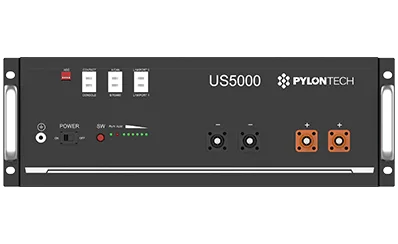
Pylontech US5000 4.8kWh 48V LiFePO4 Battery
4.8kWh 48V LiFePO4 rack battery with built-in BMS. Compatible with most hybrid inverters and expandable up to…
Price on Request
Confirm availability

LiFePO4 basics, usable capacity, backup-time maths and inverter compatibility.
A lithium battery stores your solar energy for evenings and outages. The label capacity is only part of the story — usable capacity, voltage, inverter compatibility and warranty determine what you actually get.
Lithium batteries can usually be discharged much deeper than lead-acid batteries, weigh less, need little maintenance and are generally rated for many more charge cycles. Lead-acid batteries have a lower upfront cost per kWh but typically give less usable energy and a shorter life. Compare the cost per usable kWh over the warranty period, not only the purchase price.
Lithium iron phosphate (LiFePO4 or LFP) is a lithium chemistry widely used for home solar storage because of its thermal stability and long cycle life. Cycle life figures differ between products, so read the datasheet and the warranty terms rather than relying on a general number.
Backup hours ≈ usable battery kWh × inverter efficiency ÷ load in kW. Example: 5 kWh usable at about 90% efficiency running a 1 kW load gives roughly 4.5 hours. Bigger loads shorten this quickly, which is why the load matters as much as the battery size.
If you may add batteries later, ask whether the model can be paralleled and how many units the inverter supports. Mixing different battery models or ages is generally not recommended.
See our lithium batteries and the inverter guide. Add items to your quote cart and tell us your inverter model — we will confirm compatibility first.
4.8kWh 48V LiFePO4 rack battery with built-in BMS. Compatible with most hybrid inverters and expandable up to…
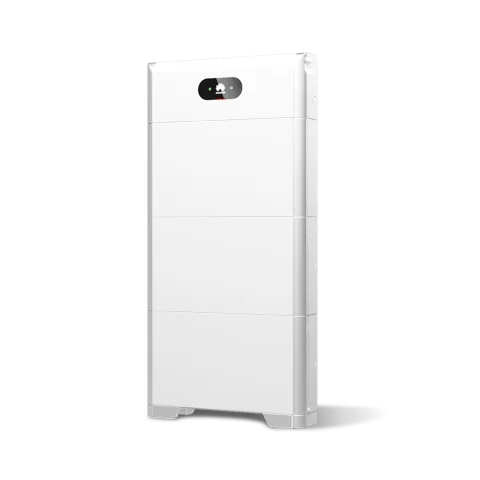
Modular 5kWh LiFePO4 battery for Huawei hybrid inverters. Expand later to 10 or 15 kWh by adding modules.
Hybrid vs on-grid, how to size by load and surge, and the compatibility checks to make before you buy.
Read the guideWattage, roof area, panel technology and matching panels to your inverter.
Read the guideA step-by-step method with a worked example for panels, inverter and battery.
Read the guideTell us your requirement and we will recommend suitable options and confirm current prices.